Shrawardine’s history reaches beyond its castle ruins. Written records, surviving buildings, earthworks and photographs offer different ways to explore the village’s past. The articles in this section bring those sources together, with references for further reading and explanations where the evidence is uncertain.
The early village and its castle
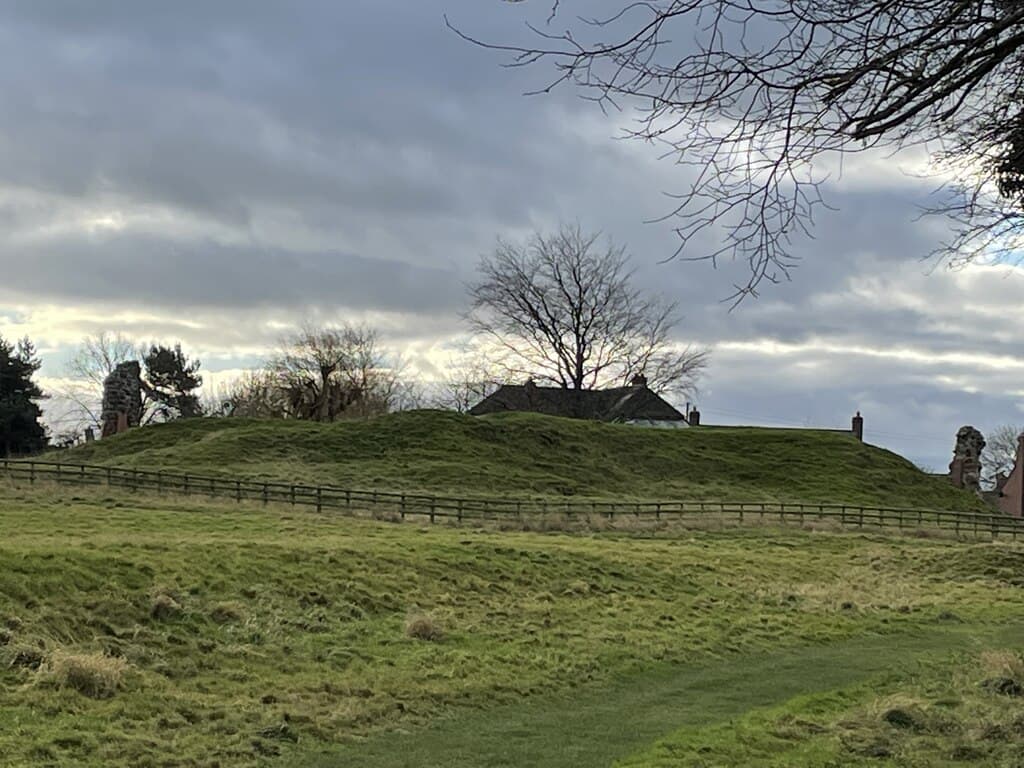
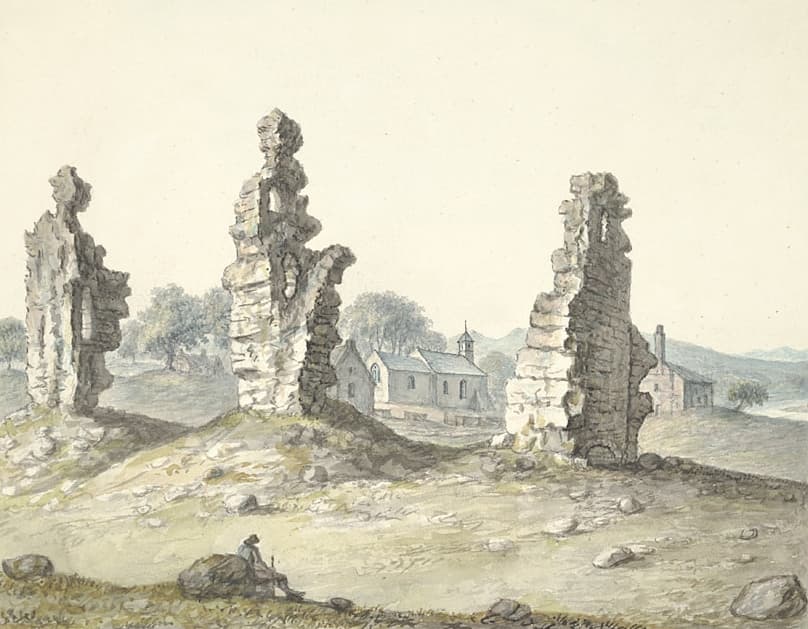
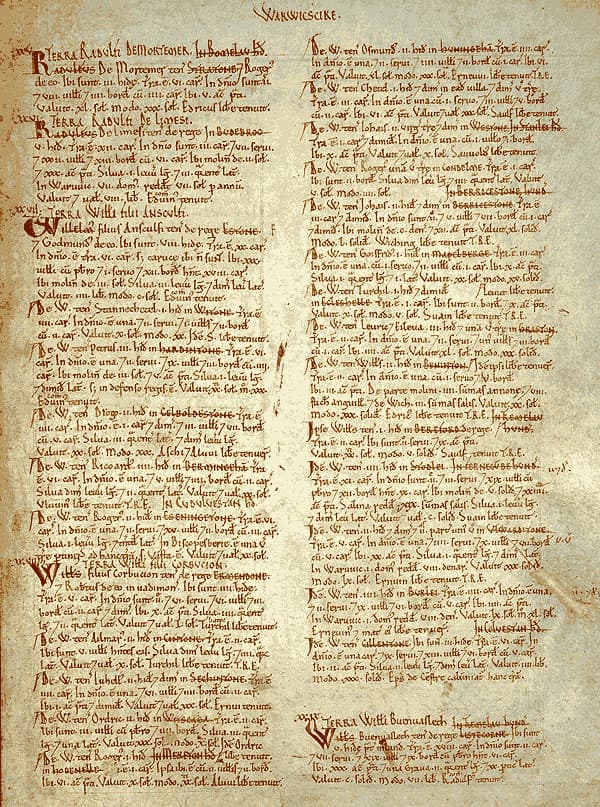
Begin with Shrawardine in Domesday Book, a guide to what the survey records about the settlement’s landholders, farming and value. Then explore Shrawardine Castle, its medieval history and the archaeological evidence preserved in its masonry and earthworks.
The Civil War
The castle’s wartime story is closely connected with the church and the surrounding village. Shrawardine in the Civil War examines the Royalist garrison, the siege and the destruction described in the surviving accounts. The Devil of Shrawardine looks at William Vaughan, his command and the evidence behind his memorable nickname.
The railway and the changing landscape
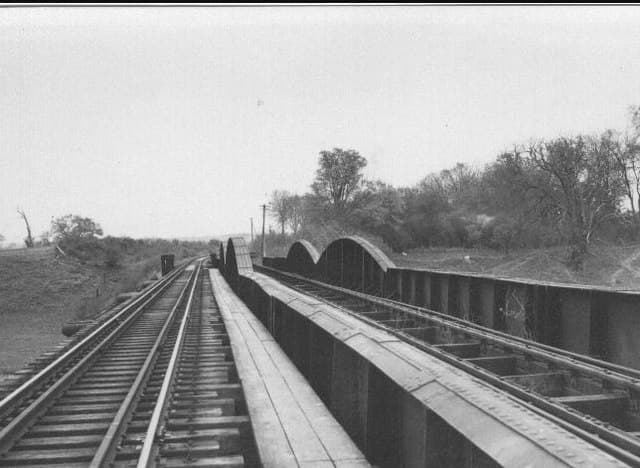
The story continues with Shrawardine Railway Station, from passenger services to goods traffic and military use. The guide to the River Severn follows the former railway crossing and the nearby wartime ammunition depot.
A collection of old maps and photographs is also in preparation. For the places connected with these stories, explore Millennium Green, St Mary’s Church and the river.